
Mastering Your NCEA English Exams: Tips for Unfamiliar Texts, Visual Texts, and Written Texts
Qualification update: NCEA remains the current qualification, but a staged replacement begins from 2028. Students affected by the transition should use the current NZQA subject page and assessment specifications for their own level and year.
Unfamiliar Texts: Cracking the Code
Unfamiliar texts often strike fear into the hearts of students—after all, the whole point is that you don’t know what’s coming. But don’t panic! The key is to embrace the unknown and use the tools you already have in your literary toolbox.
Read, Read, and Then Read Some More
It may sound obvious, but careful reading is your best friend. You need to understand what the text is saying before you can analyse how it’s saying it. So read the passage once to get a general understanding. Then, read it a second time, underlining key phrases, unfamiliar words, and anything that seems significant. This helps you get a feel for the text’s tone and themes.

Spotting Language Features
Language features are your go-to analysis tools in unfamiliar texts. Look out for:
- Metaphors and Similes: What comparisons are being made? How do they deepen your understanding of the text?
- Alliteration and Assonance: Is there repetition of sounds? What effect does it have on the tone?
- Imagery: Does the author paint a vivid picture? What emotions does this evoke?
Pro Tip: If you’re stuck, remember the acronym FATT: Form, Audience, Tone, and Theme. Identifying these aspects can give you a strong starting point for your analysis.
Answering the Question (PEEL It!)
When writing your answers, use the PEEL structure (Point, Evidence, Explanation, Link):
- Point: State the feature you’re analysing (e.g., “The author uses personification…”).
- Evidence: Provide a direct quote from the text.
- Explanation: Explain why this feature is significant—what does it reveal about the theme, character, or setting?
- Link: Tie it back to the question or the main idea you’re discussing.
By sticking to this structure, you’ll ensure your answers are clear, logical, and well-supported.
Visual Texts: From Screen to Page
Whether you studied a classic like The Shawshank Redemption or a modern hit like Jojo Rabbit, analysing visual texts can be super fun—but it requires a slightly different approach than written texts.

Here’s how to wow the markers:
Revisit Your Notes and Key Scenes
Before the exam, make sure you know your visual text inside out. Focus on the scenes that had a significant impact on the plot or revealed key themes. Write down the key moments, quotes, and visual techniques used in these scenes.
Analysing Visual Techniques
Just like in written texts, visual texts have their own “language.” Look out for these common visual techniques:
- Camera Angles and Shots: How does a close-up reveal emotion, or how does a wide shot establish the setting?
- Lighting and Colour: Are specific colours used to symbolise emotions or themes? How does lighting influence the mood?
- Symbolism: Does the director use specific objects or visuals to convey deeper meanings?
Pro Tip: Be specific. Instead of saying, “The director uses a close-up,” say, “The close-up shot of the protagonist’s tear-streaked face in the final scene emphasises their vulnerability and the emotional weight of the situation.”
Writing Your Essay: SEXY Paragraphs
When writing about visual texts, if you’re not familiar with the PEEL structure, you could try using the SEXY paragraph structure (Statement, Example, eXplanation, Your link):
- Statement: Make a clear statement about a visual technique used (e.g., “The use of dim lighting creates a sense of foreboding”).
- Example: Provide a specific scene or moment as an example.
- eXplanation: Explain how the technique contributes to the overall theme or message.
- Your Link: Link it back to the question and the big picture.
Written Texts: Show What You Know
When it comes to written texts, you’ve got an advantage—you’ve had weeks (or months) to get to know the text. Whether you’re analysing a novel, play, or collection of poetry, this is your chance to shine.

Know Your Themes and Characters
Make sure you have a solid understanding of the major themes, character arcs, and key quotes. In the exam, you’ll likely need to write about these aspects, so having them fresh in your mind will be a lifesaver.
Pro Tip: Create a revision sheet of key quotes and their significance. This is a study aid—not something to take into a closed-book exam unless NZQA's instructions specifically permit it. For example, if you studied Macbeth, remember quotes like “Out, damned spot!” to discuss themes of guilt and madness.
Structuring Your Essay: TIE It Together
Use the TIE structure (Thesis, Ideas, Evidence):
- Thesis: Start with a strong thesis statement that answers the exam question directly.
- Ideas: Develop your main points, generally one in each body paragraph, each focusing on a key theme, character, or technique.
- Evidence: Back up your points with quotes and examples from the text.
Crafting an Engaging Argument
Don’t be afraid to take a strong stance in your essay. If you have an interpretation of the text that’s a bit different from what you discussed in class, go for it—just make sure you have evidence to back it up.
Markers love original ideas that are well-supported.
General Exam Tips: Keep Your Cool
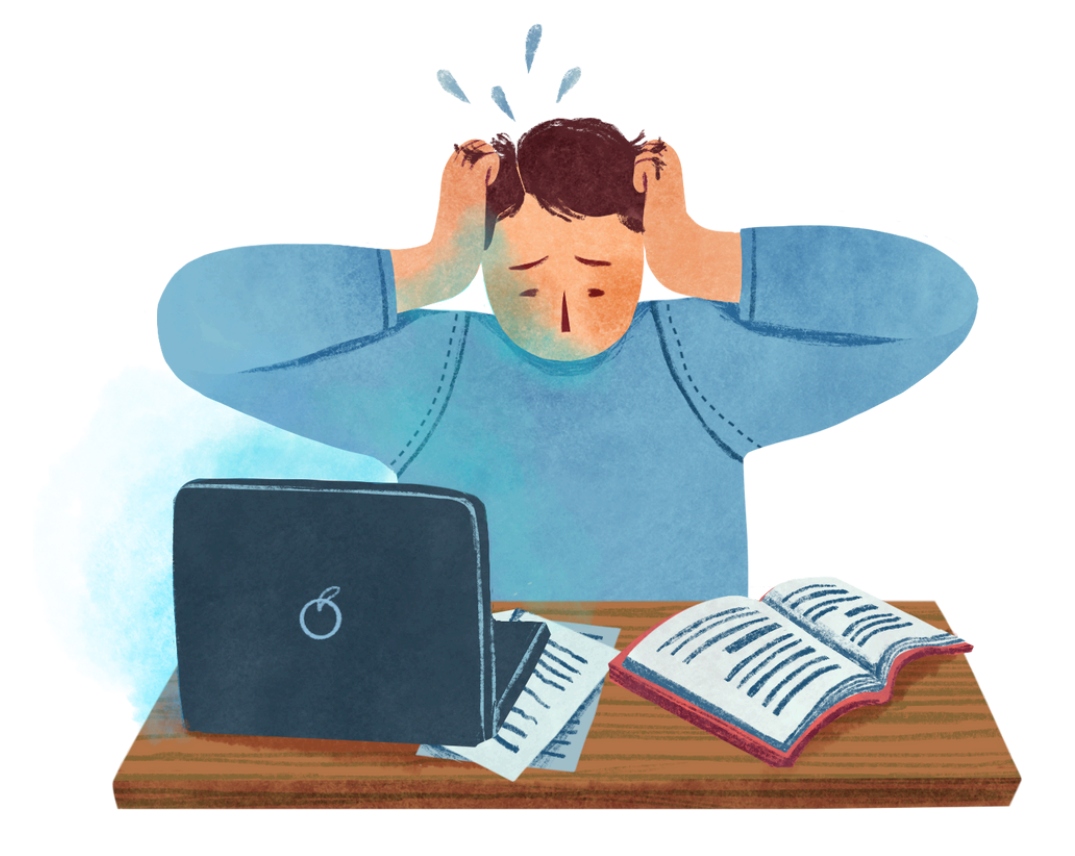
English exams are as much about your mental game as they are about your knowledge. Here are some last-minute tips to keep in mind:
Time Management
Divide your time according to the standards you are actually entered for and the time shown on the current timetable. The number and format of English externals can vary by level and year. Before exam day, decide roughly how much time each response deserves and leave a little time at the end for checking your answers.
Answer the Question (Not the One You Wish You Got)
This is crucial. It’s easy to start writing what you want to say instead of directly addressing the question. Always refer back to the question using the keywords and make sure your points are relevant.
Proofread Your Work
Spelling and grammar may not be the main focus, but clear, error-free writing makes your argument much stronger. Use any extra time at the end to fix any mistakes.
Stay Calm and Confident
Remember, you’ve prepared for this. Trust in your knowledge and don’t let a tricky question throw you off. If you’re feeling stuck, take a deep breath, re-read the question, and break it down into smaller parts.
Final Thoughts
NCEA English exams are your chance to showcase your analytical skills and your understanding of the texts you’ve studied. With a bit of preparation, a good structure, and the right mindset, you can turn that mountain into a molehill. So grab your highlighters, hit the books, and get ready to crush it!
Good luck—you’ve got this!