
NCEA Externals - Tips and Tricks
Qualification update: NCEA remains the current qualification, but a staged replacement begins from 2028. External formats and available standards can also change, so use the current NZQA subject page, assessment specifications and timetable for your own level and year.
Where to start?
Everything required for the exam has been covered throughout the year in class, but what do you do with this now? The best place to start would be turning to past papers, assessment schedules, and examination reports that contextualise how the concepts will be assessed and to what extent. Look out for marks allocated to a question or the criteria for a higher-marked question. As you go through these resources, ask yourself: what do you already know? And, honestly, what are you struggling with?
Identifying the latter helps indicate what you must prioritise during your study period. The skills and topics you are struggling with may take longer to revise, especially when later ideas depend on them. If you are considering withdrawing from an external or concentrating on only some entered standards, first check what those credits mean for your NCEA certificate, course endorsement, University Entrance and any future degree prerequisites. Talk to your subject teacher or dean before changing the plan—dropping a paper that looks unnecessary now can close an option later.
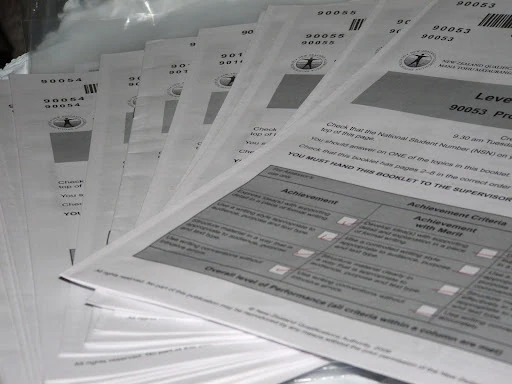
What is in the exams is not a secret!
Start with your class notes, textbooks, the current NZQA assessment specifications, past papers, schedules and examination reports. A good external explanation or tutorial can help, but check it against those sources or your teacher before relying on it. Alongside exam resources such as schedules and reports, it can be worthwhile to compile the information and rewrite your notes to help things click. This could mean colour-coding certain parts of a topic, practising active recall, then answering a past exam paper under timed conditions. This simulates exam time pressure and helps familiarise you with the nerves you may feel on exam day.
Once the content clicks, you can create a revision or strategy sheet that highlights keywords to look for in the question and significant concepts to include in your answer. This sheet should be shorter than your notes and act as a set of quick reminders before the exam. It is a revision aid, not something to take into a closed-book exam unless the official instructions specifically permit it.
Studying for exams is like training for a marathon
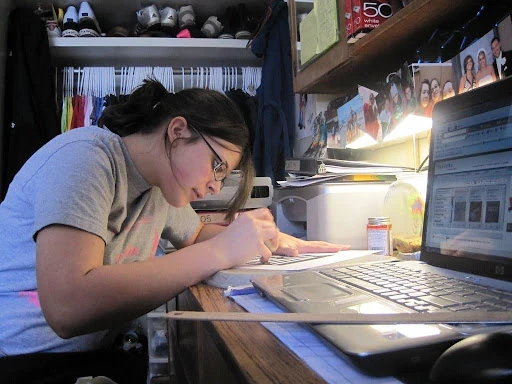
An all-nighter before your exam is not going to cut it. Working through all the content needed to pass—or reach the higher grades—requires dedicated study time across several days. It usually makes sense to prioritise the exams in the order you will sit them. Dividing your time and effort will help you juggle concepts for several exams without neglecting one. This can mean separating subjects into small, manageable chunks or setting yourself a goal to tackle a topic by the end of the day, or until you are confident enough to move on. A careful balance may help you pass both English and Maths rather than earning high marks in English but neglecting Maths entirely.
Motivation could come from different spaces
Where you study will influence how easily you can stay motivated. Your bedroom and the library can both be suitable because they provide a quiet space to think. Being in the same space every day, however, can make the routine feel stale or make procrastination more tempting. A small change of scene may help boost your energy. This could mean studying in a different part of the library or trying a café with Wi-Fi. Choosing your study space carefully can help you stay motivated and make studying feel less tedious.

Look after yourself!
Studying for exams can bring stress and anxiety, but self-care does not have to stop during study season. Grades are important, but reaching the other side of exams without feeling burnt out matters too. Everyone’s approach to self-care differs, but make room for your mental and physical health. This could mean eating well, getting plenty of sleep, scheduling downtime, spending time with friends or going to the gym. Looking after yourself can help you focus clearly, think critically, reduce stress and recharge for another productive study day.
The day before the exam
The day before an exam can bring a hurried study panic—or the opposite urge to avoid thinking about it altogether. Things to consider as your exam draws closer include:
- Practise exam questions during the day, rework them, and revise your strategy sheet.
- Plan your route to school so you arrive early. Even if you have gone to school every day for the last year, allow for last-minute issues, such as a late bus.
- Take the evening off before your exam and do something that makes you happy. This can put you in a positive frame of mind while giving your brain time to process what you have learned.
Exam Day
The day will come when you will have to sit through the exam. You will come out on the other side of it soon enough. Concepts and topics may be running through your head, but when it comes to exam time, you might also want to give thought to:
- Have a good breakfast so you are less likely to get hungry during the exam and have one less thing to worry about.
- If nerves start getting the best of you, take a slow breath. This can activate your parasympathetic nervous system and help settle the rush of adrenaline.
- Think positively: you have studied diligently and may know the content better than you think.
Preparing for and sitting external exams can be arduous, but these ideas can help you make better use of your time and effort. Best of luck!