
Two inconvenient truths you learn when starting university: Studying

There can be quite a jump between high school and university – things get harder, the workload gets tougher, and what you may have come to rely on in high school might not necessarily work anymore. At university, you take responsibility for your own learning. You can go through all the motions of learning and studying, but unless you’re actually putting effort in then you’re not going to get much out of it.
During my transition into higher education, I realised some inconvenient truths about studying at university...
Learning by Osmosis Isn’t Real
Simply being in the classroom won't automatically improve your performance. Attendance gives you the opportunity to learn, ask questions and participate, but it still requires attention and effort. A teacher can create the conditions for learning; they cannot do the thinking for you.
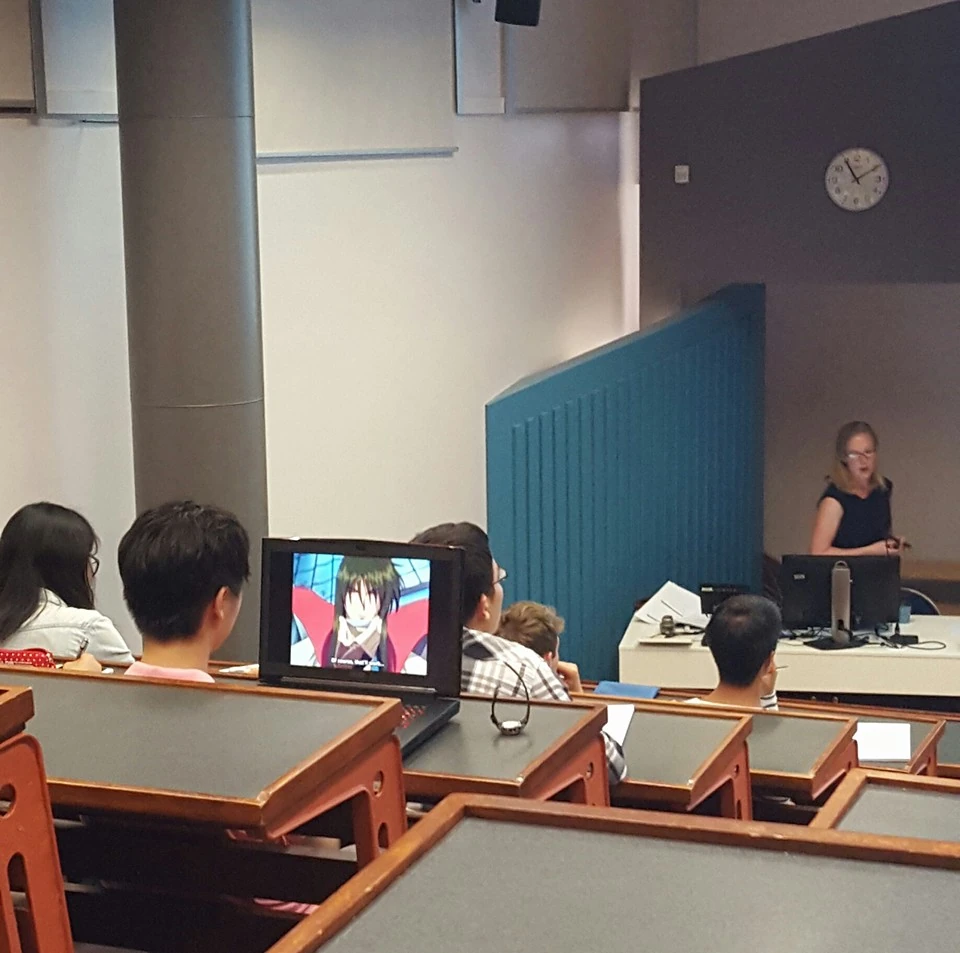
One of the biggest wastes of time I observed among others and experienced first-hand at university was showing up to class, failing to pay attention and ultimately having that hour wasted. The solution is not to casually skip anything inconvenient: laboratories, tutorials, placements and some lectures can be compulsory or contain material that is not available elsewhere. Check the course rules, attend required sessions and try to participate actively. If a teaching format is genuinely not working, use recordings where available, office hours and other course resources to build a deliberate alternative rather than simply disappearing.
Many universities provide recordings or online material for at least some courses, although availability and attendance expectations vary. In my own experience, some high-performing students chose to study from home because they could control the pace. That is an observation, not proof that studying at home produces better grades. Self-study is not suitable for everyone, and recordings work best as part of a deliberate plan rather than an excuse to postpone everything until exam week.
At the end of the day, what it comes down to is putting in an honest attempt. Mindlessly throwing a basketball at a hoop won’t make you any better at basketball in the same way showing up to class and not listening won’t improve your grades. It’s not about the physical act of doing something but rather making a conscious effort. The other moral of the story here is to do what works best for you – not what works best for the smartest guy in the class or what your parents consider the best way to study.
When it came to studying outside class, I never liked studying from home as the comfort made it impossible for me to concentrate. My preference was always computer labs and libraries. The environments were quiet yet populated – such that I wouldn’t be able to do something stupid without people noticing, thus forcing me to “behave”. I liked sitting at a spacious desk with a computer since it gave me access to the aforementioned lecture recordings and other learning tools and had sufficient space for note-taking. Most importantly, I’d have access to Facebook and YouTube for that hard-earned one-hour break after 15 minutes of study!
Consistency Over Comebacks Every Time
In high school, consistency (while a factor) was not a requirement for being successful. You had the option to mount a comeback before each set of exams (especially for students studying Cambridge). The playing field changes at university as the increases in content, workload and pace make successful cramming less feasible, especially as the topics and courses become increasingly challenging.

During my time in high school, I felt that there was a system you could, for lack of a better word, "exploit", meaning those who understood what examiners were looking for could put in less effort, while those who were hardworking but not as effortlessly study-smart would often hit a glass ceiling. In many ways, university courses are less standardised than high school classes, and fewer resources are available, such as past papers and study guides. This makes the system much harder to take advantage of. This means that students who aren’t afraid of burning the midnight oil to truly understand a topic will often reap the rewards of their labour, while those who choose to continue to rely on their natural intelligence may be in for a rude awakening.
Keeping up with the assignments and content covered in class is hands down the most reliable way to get good grades. At university, many assignments and assessments contribute to your final grade. Once you fall behind, you’ll realise how difficult it is to catch up for one class on top of studying for all your other courses, meeting deadlines and everything in between. This is precisely the reason I’d advise against dropping everything until the final exam.
It’s important to use all the resources available to you. Just because recommended exercises and tutorials are optional does not mean you should not do them. In my experience, these were just as useful as lectures, if not more so, for preparing for the finals. Lecturers and teaching assistants will also advertise their office hours, which is a great chance to pick their brains and get help with assignments (hint, hint). If you’re uncomfortable with face-to-face meetings or they don’t fit in with your schedule, you can always email them. Remember, you won’t receive help if you don’t ask for it!
Figure out what works for you
University is all about learning how to learn, not pretending to learn. If you got used to bad study habits in high school, they will really show through in uni. Nobody else cares if you’re falling behind, so it’s all up to you to exercise your newfound independence and figure out what works best for you.
If you choose to coast along, you can expect to walk away with average grades and a degree. However, if you choose to go out of your way and make the most of the opportunities you have to learn, you’ll be walking away with a set of skills that goes far beyond what your degree is all about.
Got questions? We'd love to hear from you at team@mytuition.nz

Article by Jason Chan
At the time of writing, Jason was a tutor at MyTuition. MyTuition helps high school students across New Zealand succeed by connecting them with the right tutors and guiding them through the year. Think you'd make a good tutor? Apply now